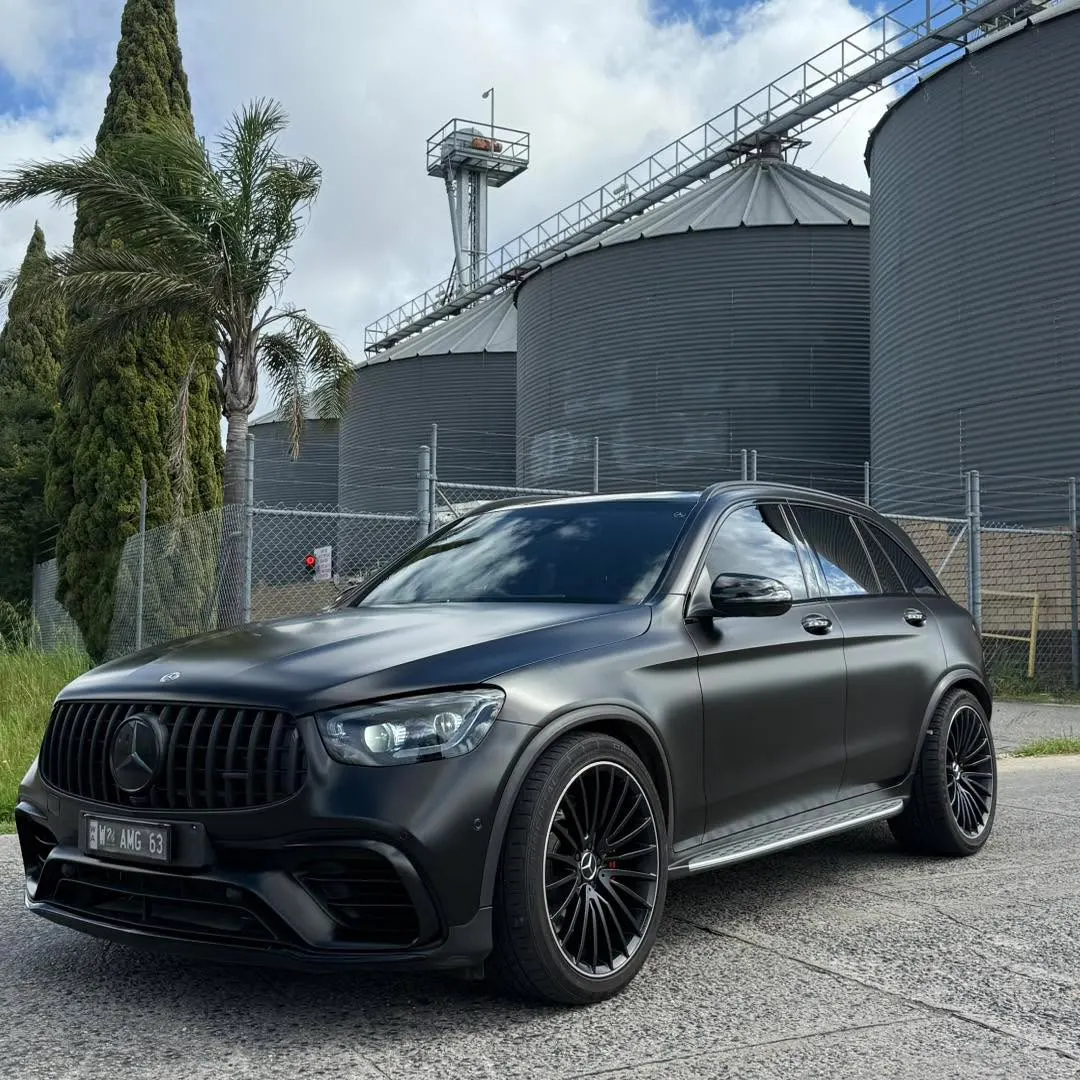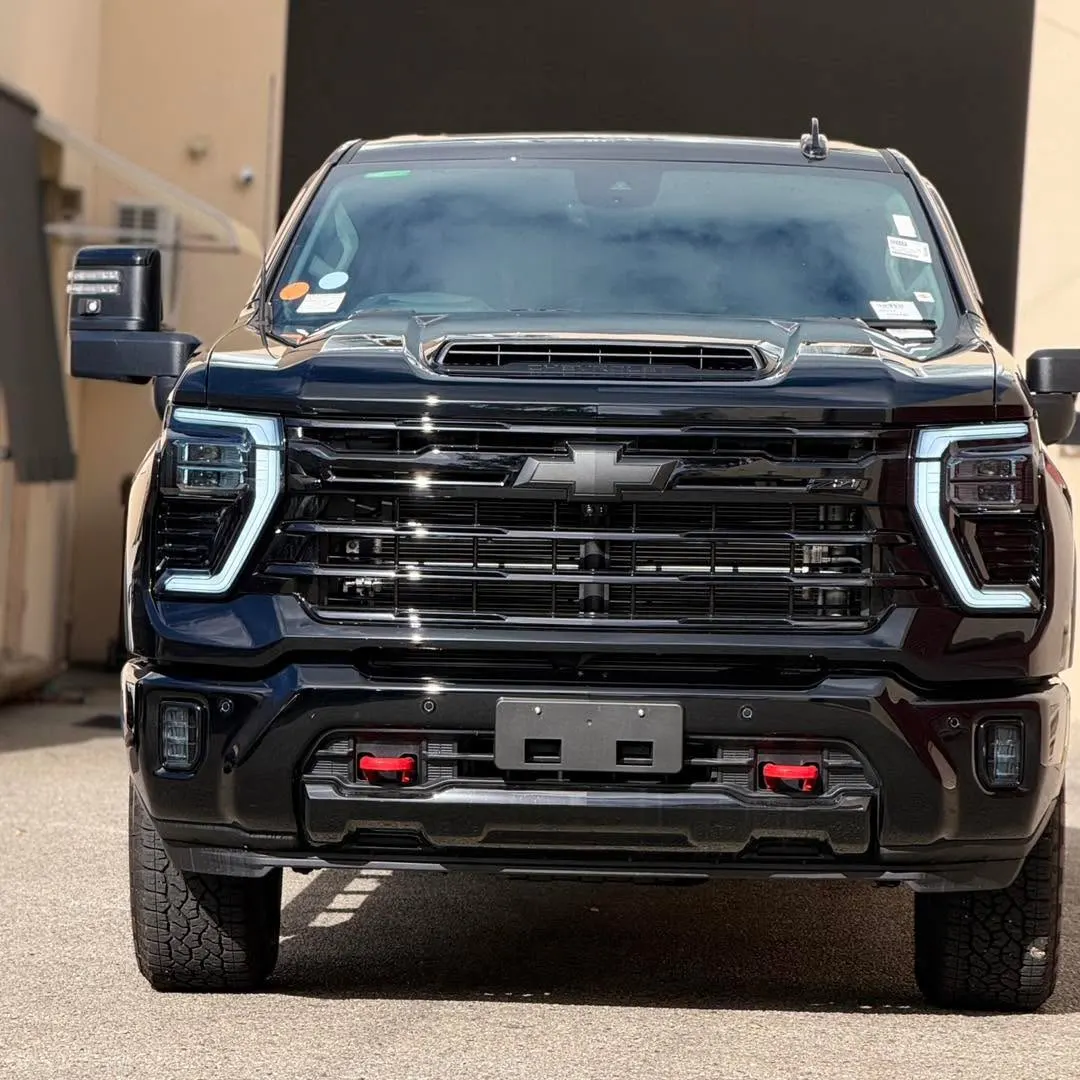
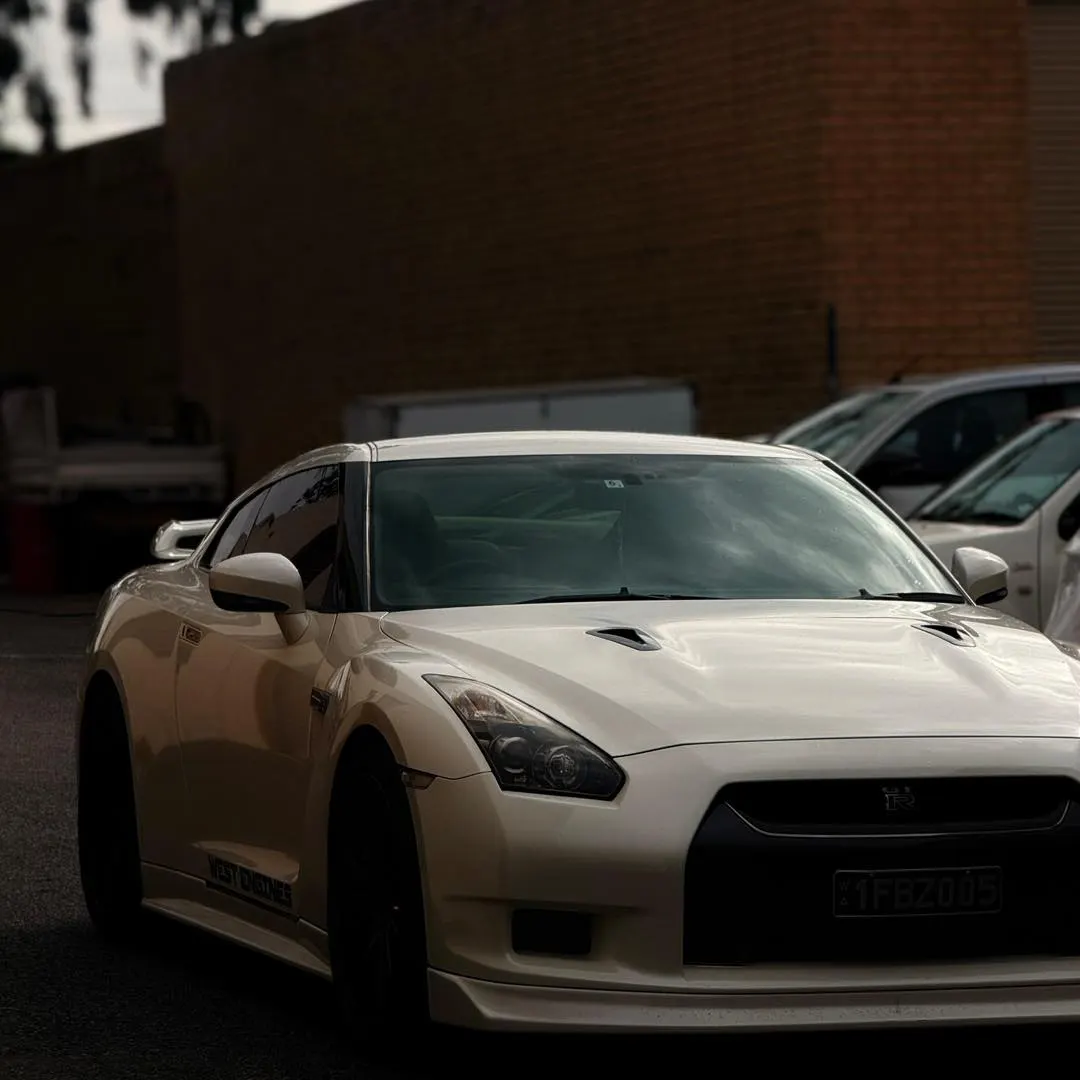


Two films, two jobs
Heat control tint manages the sun, paint protection film guards the glass from impact. They are different products, so we fit the right one for what you need, or both.
Catch us on the gram
@pimpmycar_ausThe details
Your windscreen takes on two very different problems, so it takes two very different films. Heat control tint fights the sun: a clear ceramic layer that cuts infrared heat, glare and UV without darkening the glass. Windscreen PPF fights the road: a tough, optically clear film that takes the stone strikes so the glass resists chips and cracks. They are separate products that do separate jobs, and plenty of owners fit both, plus PPF on the sunroof while they are at it.
And to be clear on the law: we never fit dark windscreen tint. Our heat control film is genuinely clear and stays above the legal light limit, and we confirm exactly what is road-legal for your car and state before we start. Windscreen and sunroof PPF are optically clear and road-legal in both states.
Heat control tint manages the sun, paint protection film guards the glass from impact. They are different products, so we fit the right one for what you need, or both.
We never fit dark windscreen tint. Our heat control film is genuinely clear and stays above the legal light limit, and we confirm what is permitted for your car and state.
Every film is fitted clear of your cameras, rain sensor and heating elements, with edges tucked for a factory-clean finish that keeps your safety tech happy.
How it goes
Tell us your car and what you are after, heat control tint, glass protection or both. We check the glass, talk through what is road-legal in your state and give you a clear price.
We decontaminate the glass in a clean space, then precision-fit your film with edges tucked for a seamless, factory-clean finish.
We let the film cure, check every edge, sensor and camera zone, and hand back a cooler, better-protected car with care tips to keep it looking sharp.
The good stuff
Windscreen heat control tint and windscreen PPF are two different products that do two different things. Pick the one you need, combine them, and add the sunroof while you are there.
From $400. A clear, high-VLT ceramic film that blocks infrared heat and up to 99% of UV, so the cabin runs cooler and the glare drops, all without darkening the glass or dropping below the legal light limit. Metal-free, so it will not touch your GPS, signal or toll tag.
From $700. A tough, optically clear protection film over the glass that absorbs stone strikes, so a chip is far less likely to spider into a crack and a costly replacement. Stays effectively invisible and keeps your wipers, sensors and cameras working.
On quote. The same clear protection film across your sunroof or panoramic roof, guarding that big pane of glass from chips and impact while knocking back heat and UV. Keep it clear, or go tinted up top where the law allows.
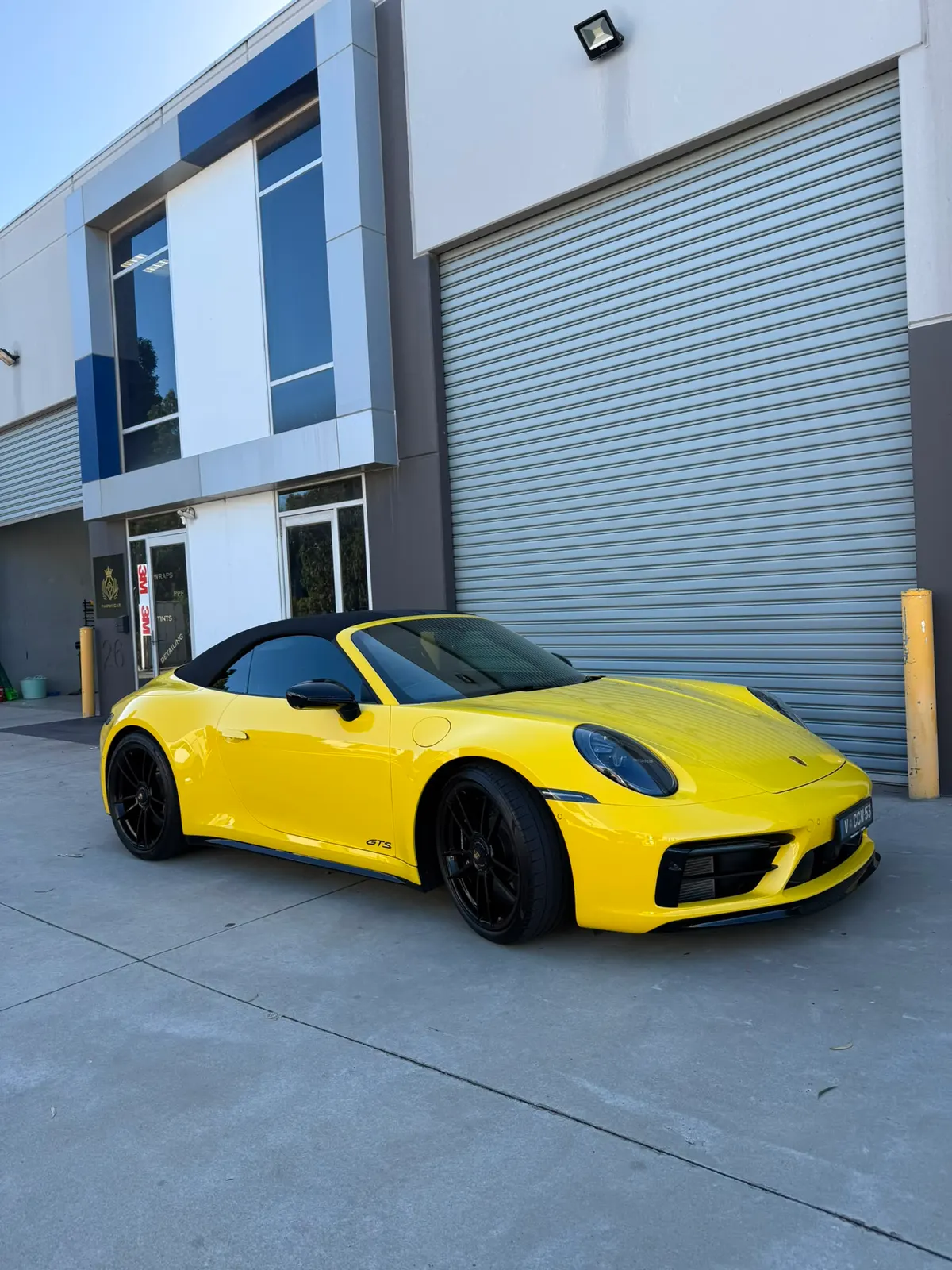
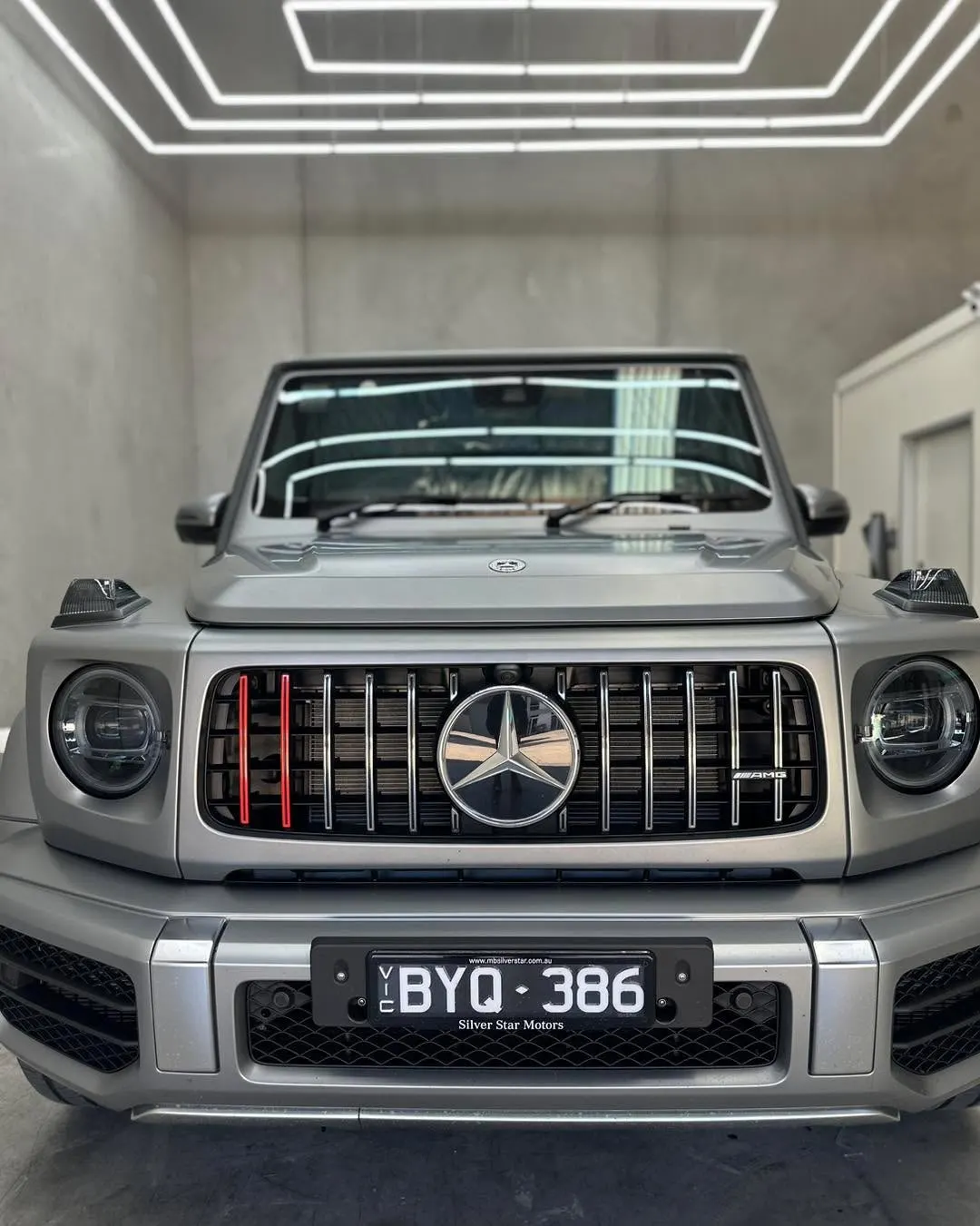
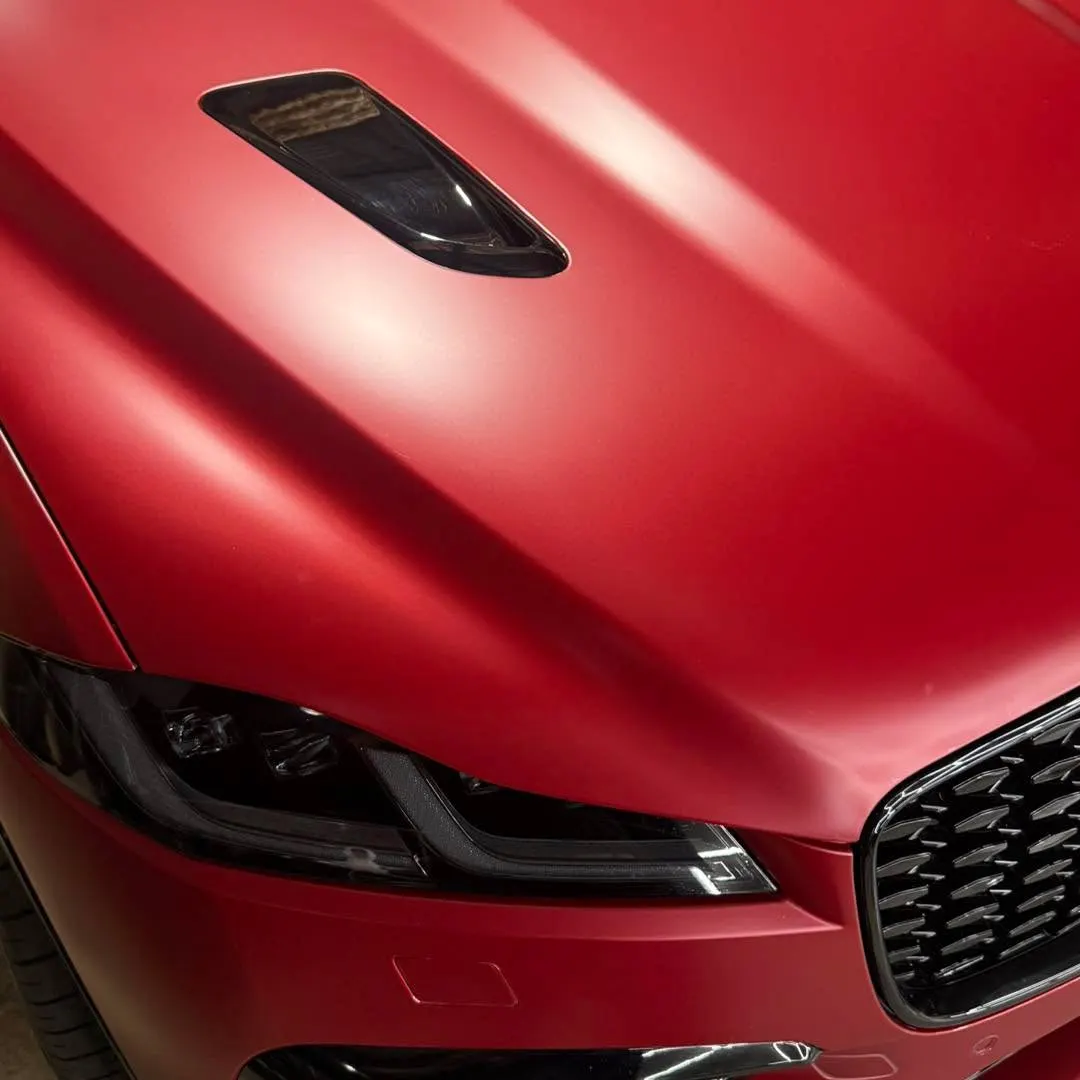
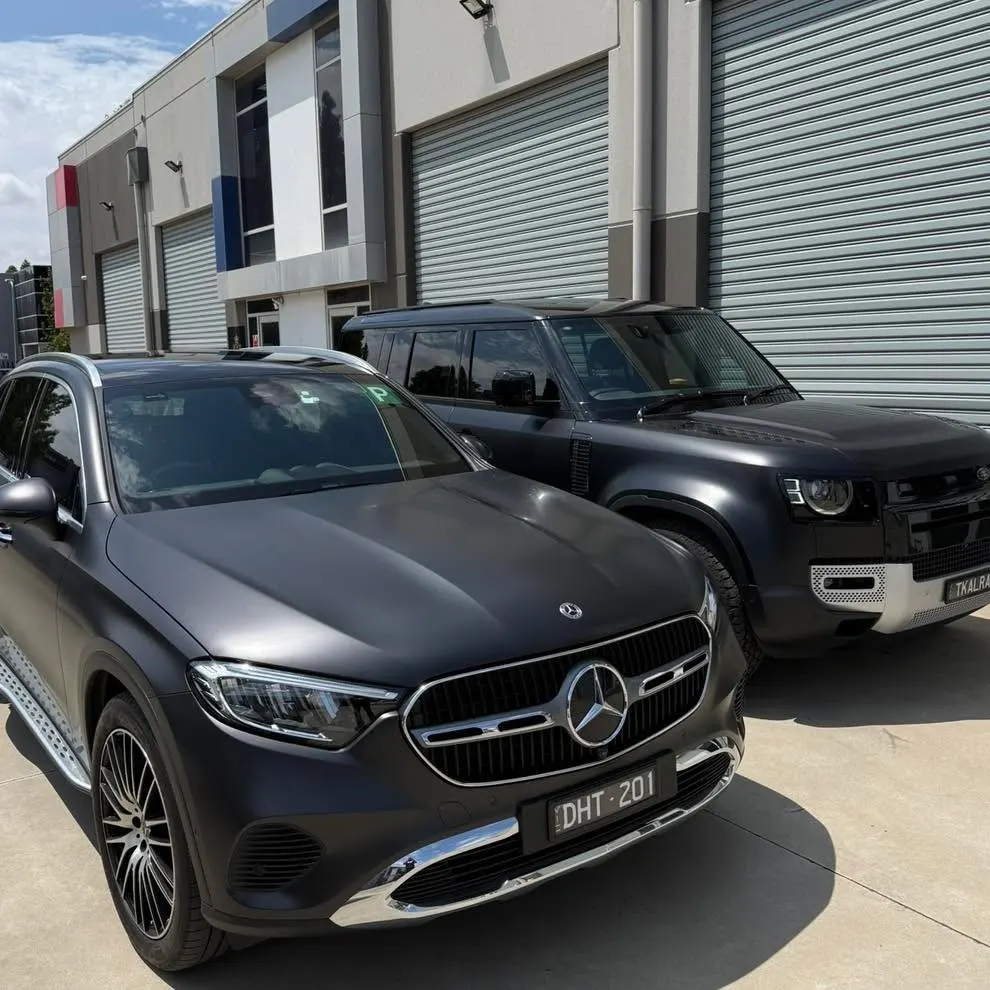
Recent work
Good to know
They do completely different jobs. Heat control tint is a clear ceramic film that manages the sun, cutting infrared heat, glare and UV without darkening the glass. Windscreen PPF is a clear, impact-absorbing film that protects the glass itself, helping stop a stone chip from spreading into a crack. One keeps you cool, the other keeps your glass in one piece. Many owners fit both.
No, and we would not. Dark windscreen tint is illegal in both Victoria and Western Australia, and the main vision area must stay above a minimum light transmission. What we fit is a genuinely clear ceramic heat control film that rejects heat and UV in the invisible bands without darkening the glass. WA expressly allows clear film that keeps the required light level, and Victoria is stricter still, so we confirm exactly what is permitted for your car and state before we fit anything.
No. Quality windscreen protection film is optically clear and cuts light by only a whisker, so it is effectively invisible once fitted. Its hard top coat lets your wiper blades glide over it, and the film is made to stay transparent to your cameras and rain sensor, so your safety systems keep working. Many films also add a hydrophobic layer so rain beads and rolls off for better wet-weather vision.
It can save you real money and hassle. Modern windscreens carry embedded cameras, sensors and heating elements, so a replacement is expensive and needs recalibration, on top of the downtime and insurance excess. Protection film costs a fraction of that and helps stop a small chip becoming the crack that writes off the glass. It is not a force field, but it stacks the odds in your favour.
Yes. We fit protection film over sunroofs and big panoramic roofs to guard the glass from chips and impact while blocking up to around 99% of UV and a large share of infrared heat, which noticeably cuts cabin heat soak. Keep it clear to preserve the view, or go for a tinted or blackout shade for a uniform dark look up top where the law allows. Roof glass sits outside the windscreen vision rules, so darker shades are generally fine, and we will confirm for your state.